By
by Hanni Jalil
Published by:
Nebraska
Series:
Bodies and Ecologies: Histories of Health, Environment, and Medicine in Latin America and the Caribbean
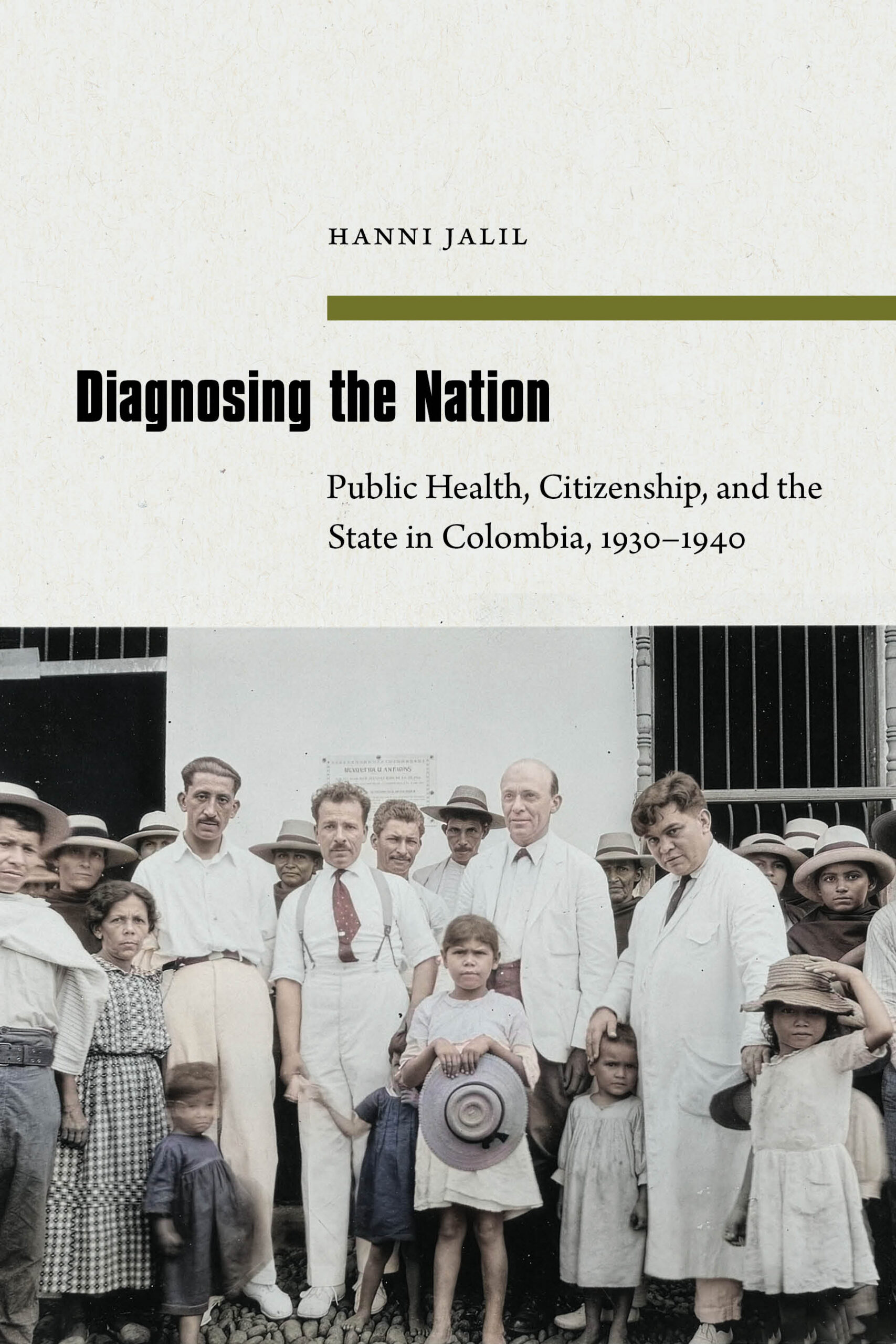
Diagnosing the Nation
Public Health, Citizenship, and the State in Colombia, 1930–1940
In the 1930s, Colombia embarked on an ambitious project of national transformation, and public health stood at its center.
Backed by the state and transnational networks of medical expertise, including the Rockefeller Foundation, doctors and health professionals fanned out across the country with a sweeping mission: to modernize Colombian bodies, habits, and communities in the name of progress and development. At stake was nothing less than who counted as a citizen worthy of the state’s investment, and who did not.
Diagnosing the Nation traces the tense, negotiated, and sometimes surprising encounters between public health practitioners and the everyday Colombians they sought to transform.
It draws on a rich archive of state health publications, Rockefeller Foundation archives, local letters, and petitions to show how peasants, workers, and women were cast as either sanitary citizens worthy of redemption or unsanitary subjects whose lives were expendable. Yet ordinary people were never simply targets. They received, reinterpreted, and openly contested the discourses of hygiene and modernity directed at them, sometimes reinforcing existing hierarchies of class, race, and gender, and sometimes challenging the state’s narrow vision of health and rights altogether.
By
Hanni Jalil, Natalia Gutierrez Urquijo, y Stefan Pohl-Valero
Published by:
Editorial Universidad Icesi (Cali) y Editorial Universidad del Rosario (Bogotá)
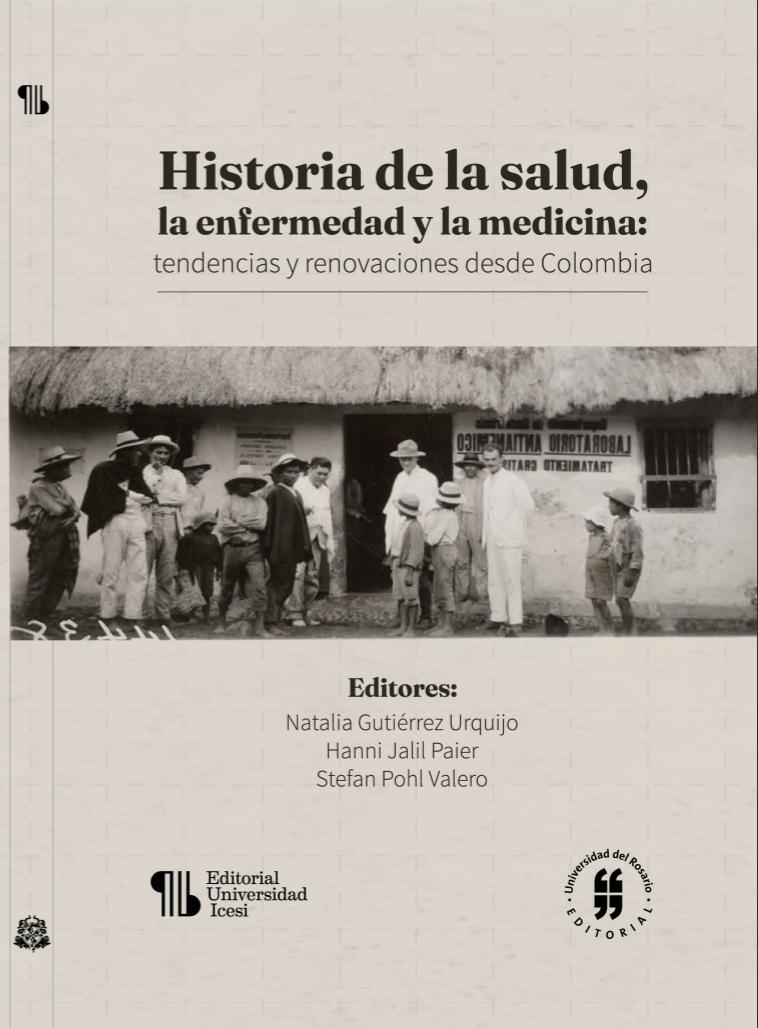
Historia de la salud, la enfermedad y la medicina:
Tendencias y renovaciones desde Colombia
is a co-edited volume that showcases the vibrant growth and modern renewal of the history of medicine and public health in Latin America, specifically in Colombia.
Co-published by Editorial Universidad del Rosario and Editorial Universidad Icesi, this collection brings together diverse historical approaches that challenge traditional, top-down narratives of medical science and state power. As a co-editor alongside my colleagues Natalia Gutiérrez-Urquijo and Stefan Pohl-Valero, I collaborated on the conceptualization, curation, and editorial direction of this volume. The project involved coordinating contributions from specialized regional researchers to construct a cohesive, critical analysis of Colombia’s medical historiography.
Contact me
If you are interested in collaborations, interviews, or access to my research, feel free to reach out.